May 18, 1980 was a seminal moment for us growing up. Everyone watched the news about the massive eruption of Mount St. Helens in Washington. Within days, much of the country witnessed the effects of the eruption first-hand as the jet stream carried the ash eastward. It has always fascinated me.
This morning we said our goodbyes to Mounthaven Resort. It was a spectacular campsite surrounded by amazing scenery. But it was time to move on. Today was a short drive to Silver Lake, Washington, our home for two nights. Silver Lake sits just 30 miles (as the crow flies) west-northwest of Mount St. Helens.
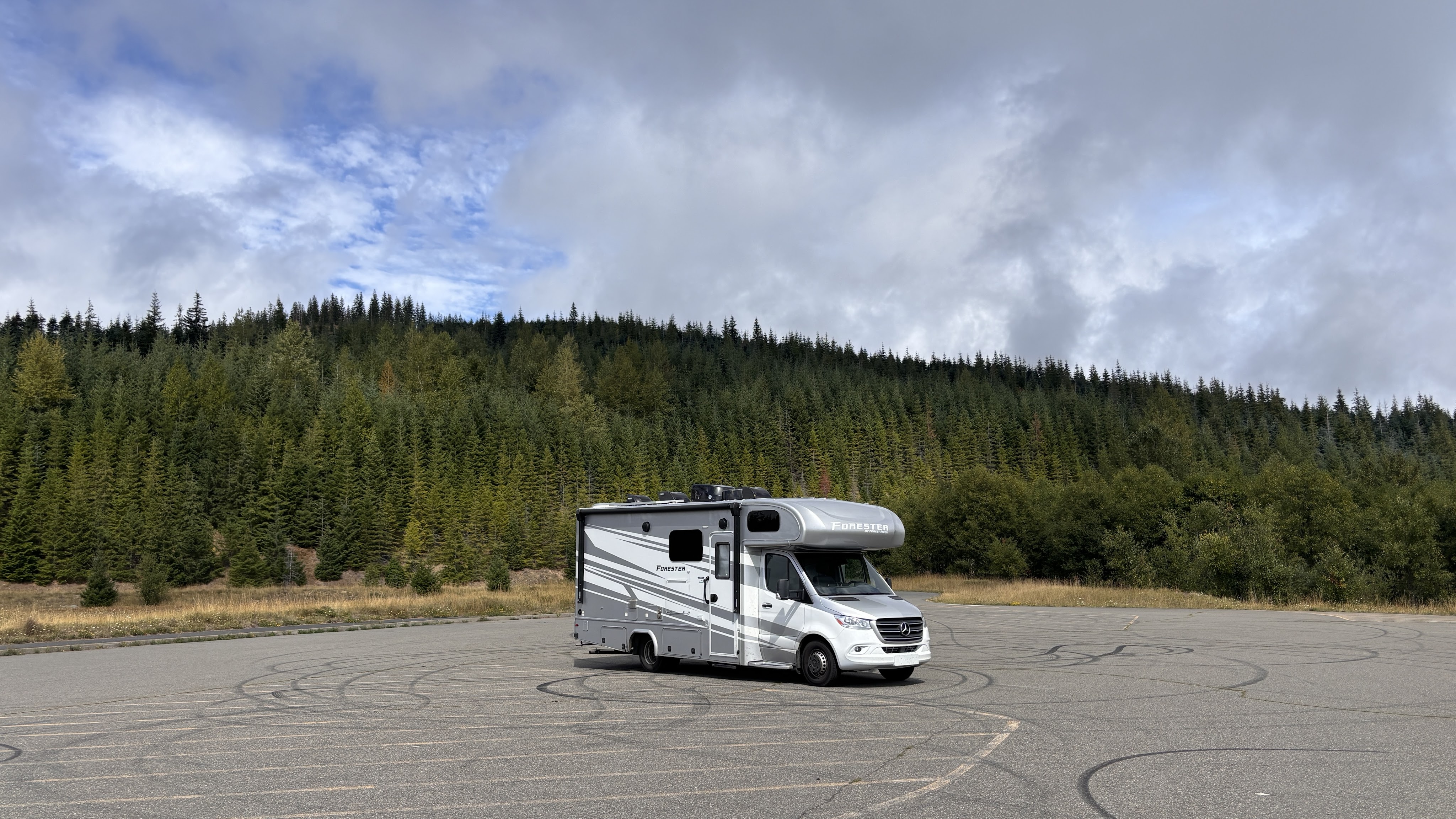
Leaving Mounthaven early, we decided to drive directly to Mount St. Helens. The skies were cloudy, with little chance they would clear before our arrival. But with a short drive anyway today we figured we’d give it a shot. If we failed, we could go back tomorrow without much difficulty.
Mount St. Helens does not carry the “National Park” designation, although many hoped for that. Instead, it is designated as a “National Volcanic Monument”. Still maintained by the NPS, it was never set aside by Congress. Therefore, it is always at risk of decommissioning by a sitting President (as are all NPS sites without the “National Park” designation).
We saw nothing of Mount St. Helens as we approached park lands. The clouds and fog were too dense. We had little hope of seeing anything, and figured we’d have to give up our day at camp tomorrow to drive back up. Suddenly, however, as the roadway passed 2,000 feet of elevation, the skies at altitude cleared just enough that the summit of St. Helens popped into view. It was quite a moment for me, as I am sure it was for Karen.
Giving us a reason to go on, we proceeded to the last overlook we could reach. The only roadway to the Johnston Ridge Observatory is currently closed. A section of roadway was washed out and is under repair. Therefore we stopped at the Castle Lake Viewpoint, the best vantage available to us.
What we saw was both beautiful and terrible. We could clearly see the enormous swath destroyed by the massive landslide which predicated the eruption and the lahars (volcanic mudflows) which followed. Even after 45 years the devastation was evident. The summit of St. Helens, 1,300 feet lower than before the eruption, is now a gigantic bowl, fractured to the North where the eruption took place.
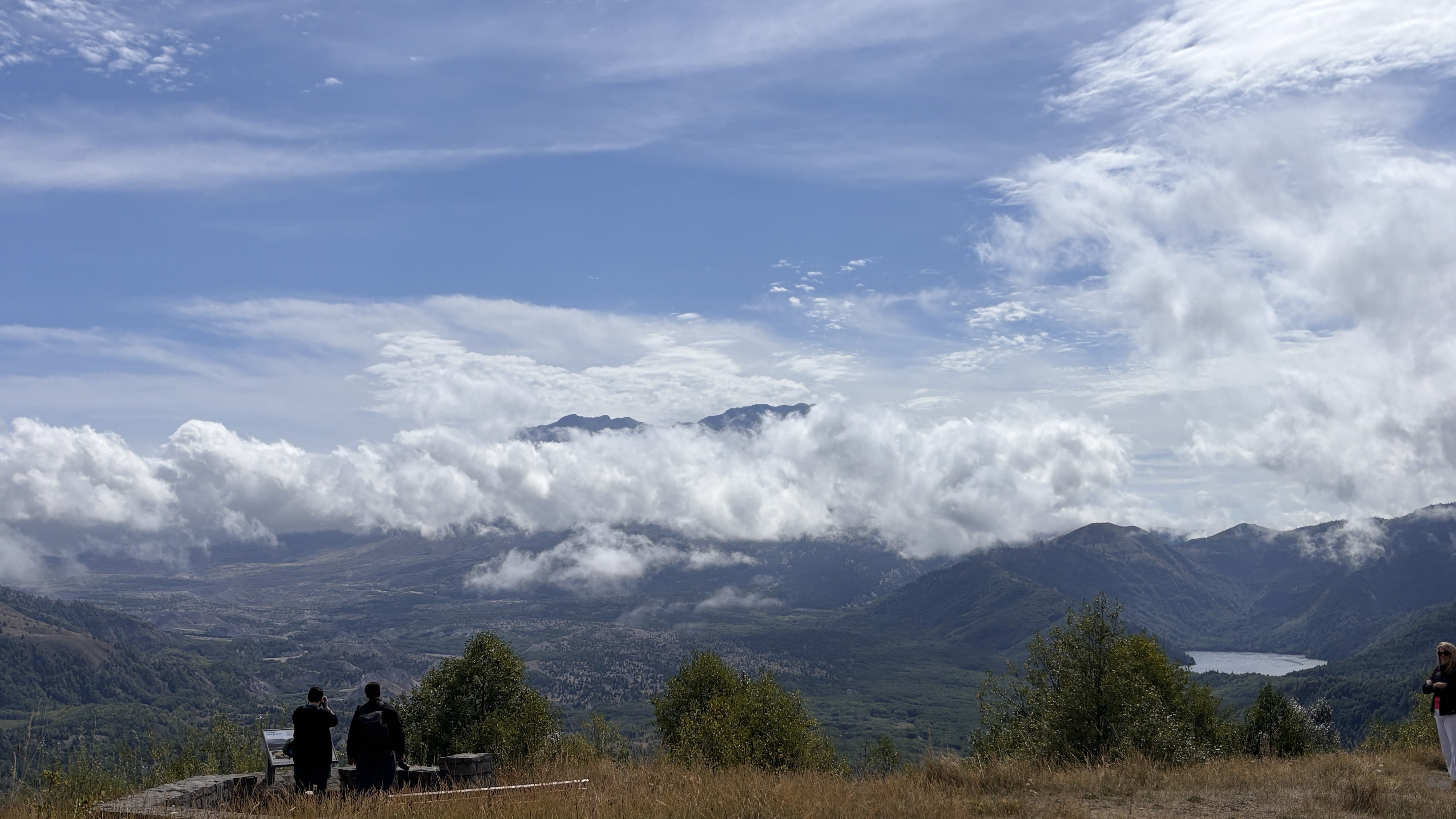
Seeing the images and footage on TV as a kid was scary. Seeing the breadth of damage in person was humbling. Most previously indigenous vegetation has not returned. A whopping 238 square miles of forest were destroyed. A new lake was formed when the landslides and lahars blocked Castle Creek. All existing outflows of Spirit Lake were completely blocked. The landscape was forever changed. 57 people lost their lives, a very small figure considering the devestation.
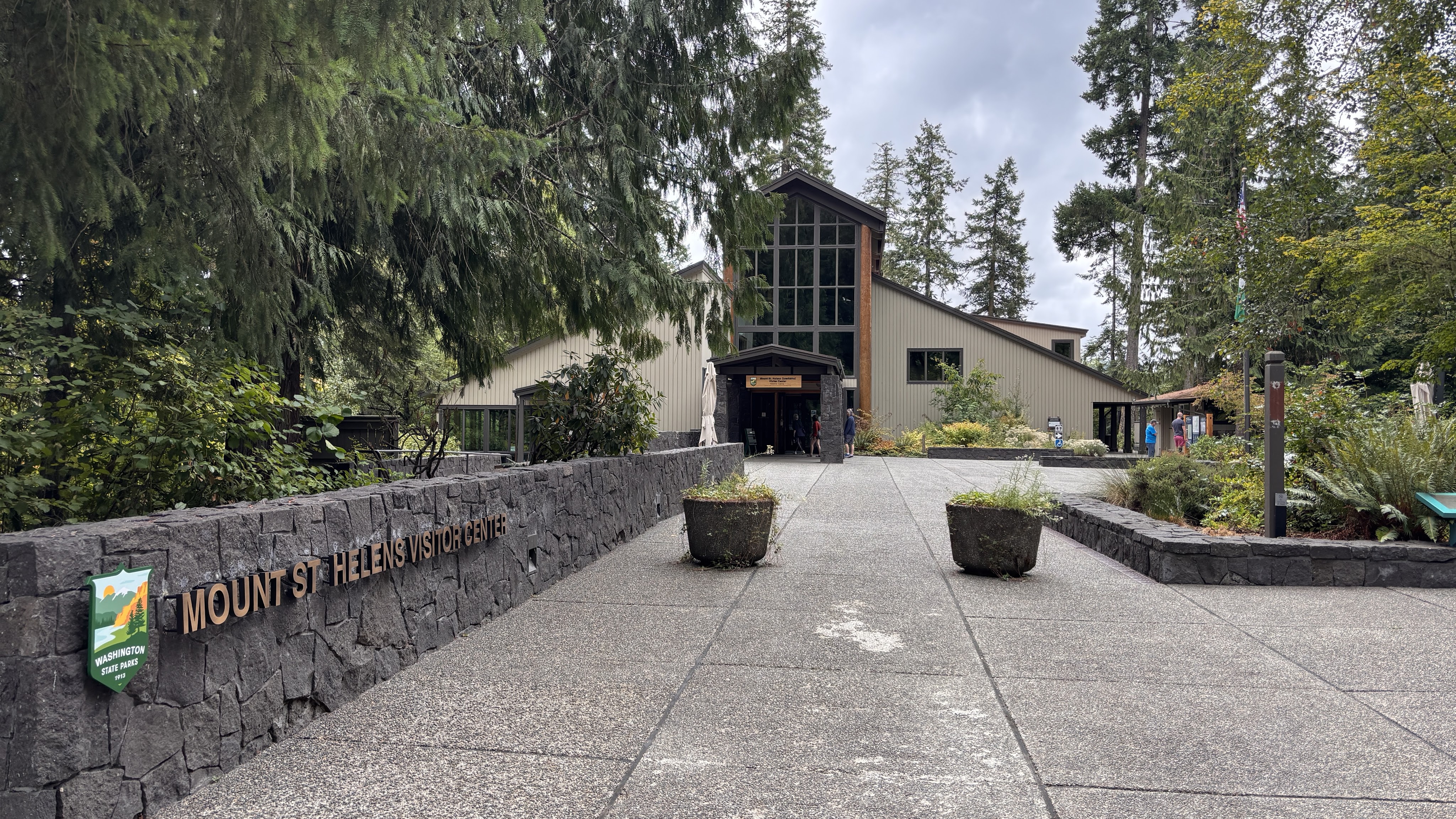
After the sobering views of Mount St. Helens, we headed out of the park and stopped by the Visitor Center, conveniently located 2 miles from our campground. It was a wonderful place, with exhibits walking through the timeline of events. We learned that the Johnstone Ridge (and Observatory) were named for David Johnston, a USGS Volcanologist who died there while taking measurements an May 18, 1980 as the mountain erupted. The visit was well worth the stop.
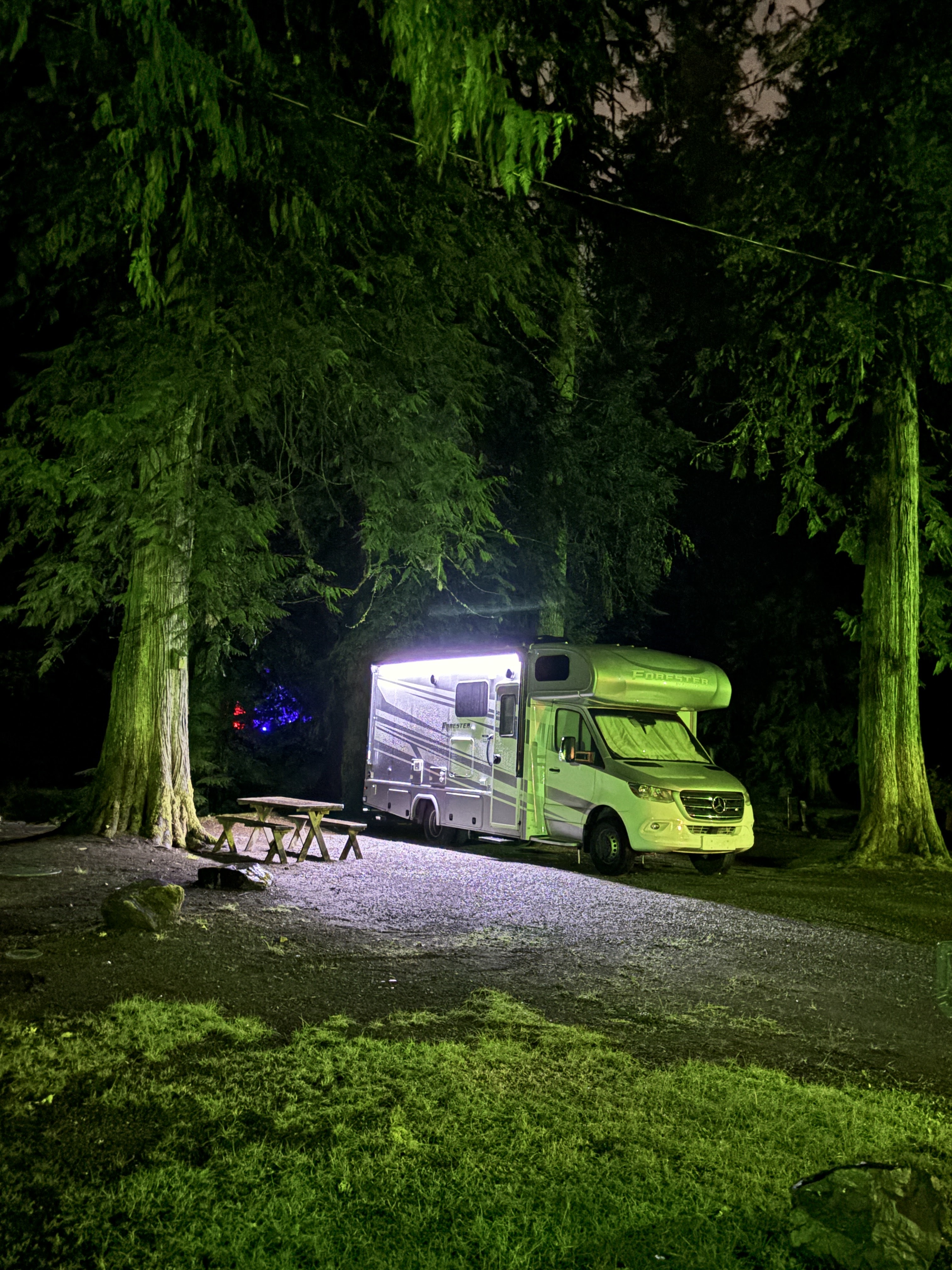
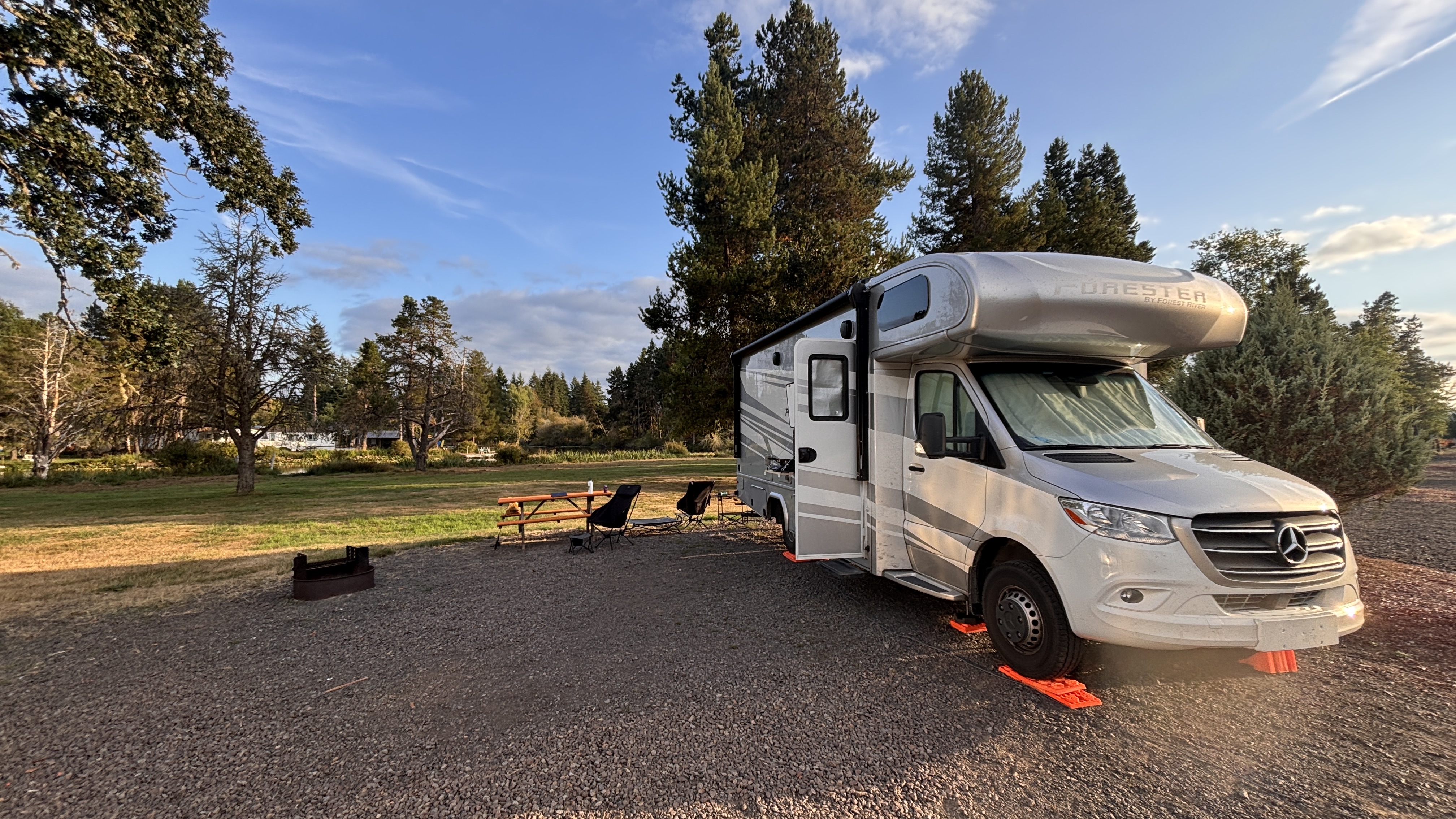
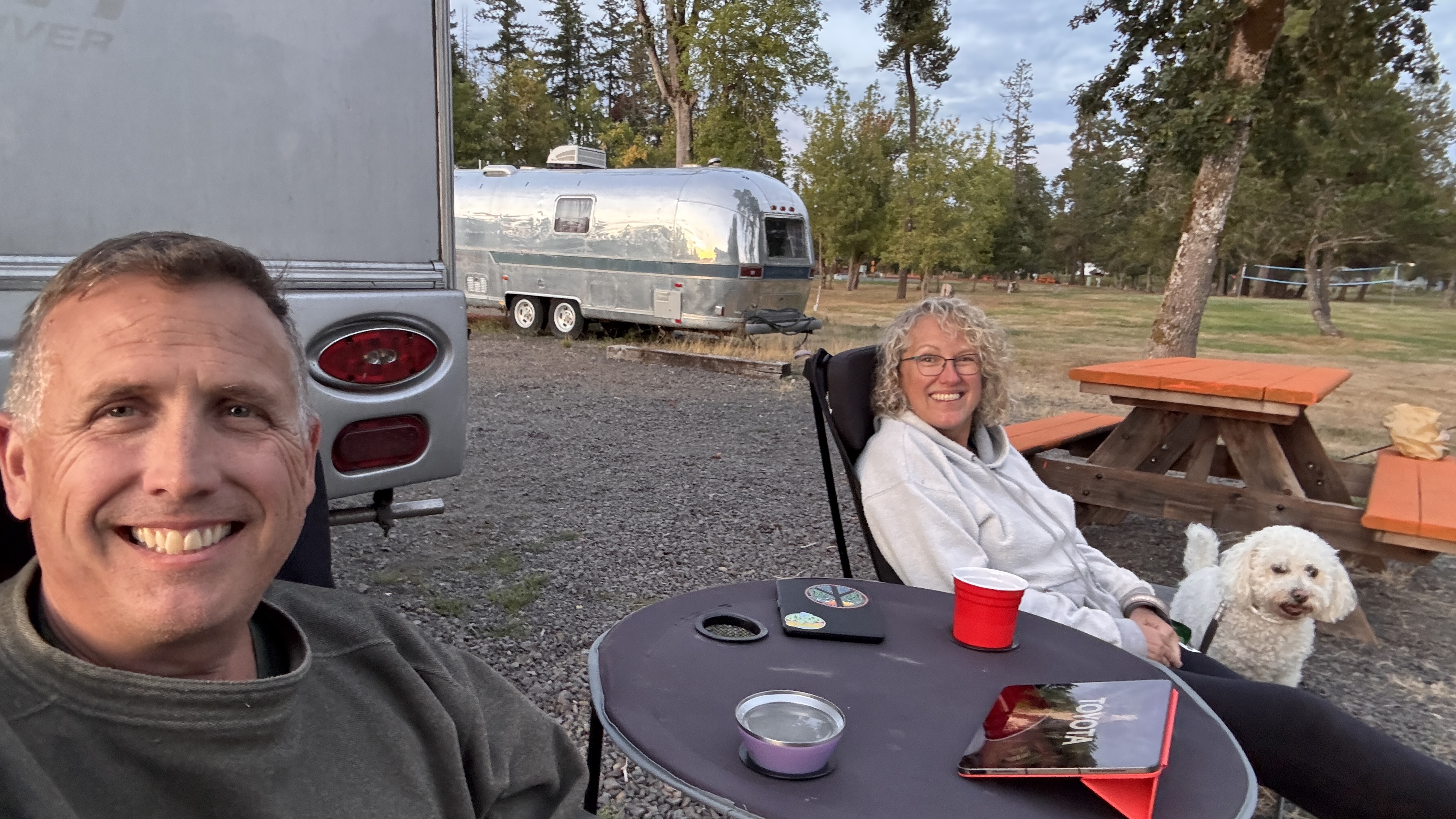
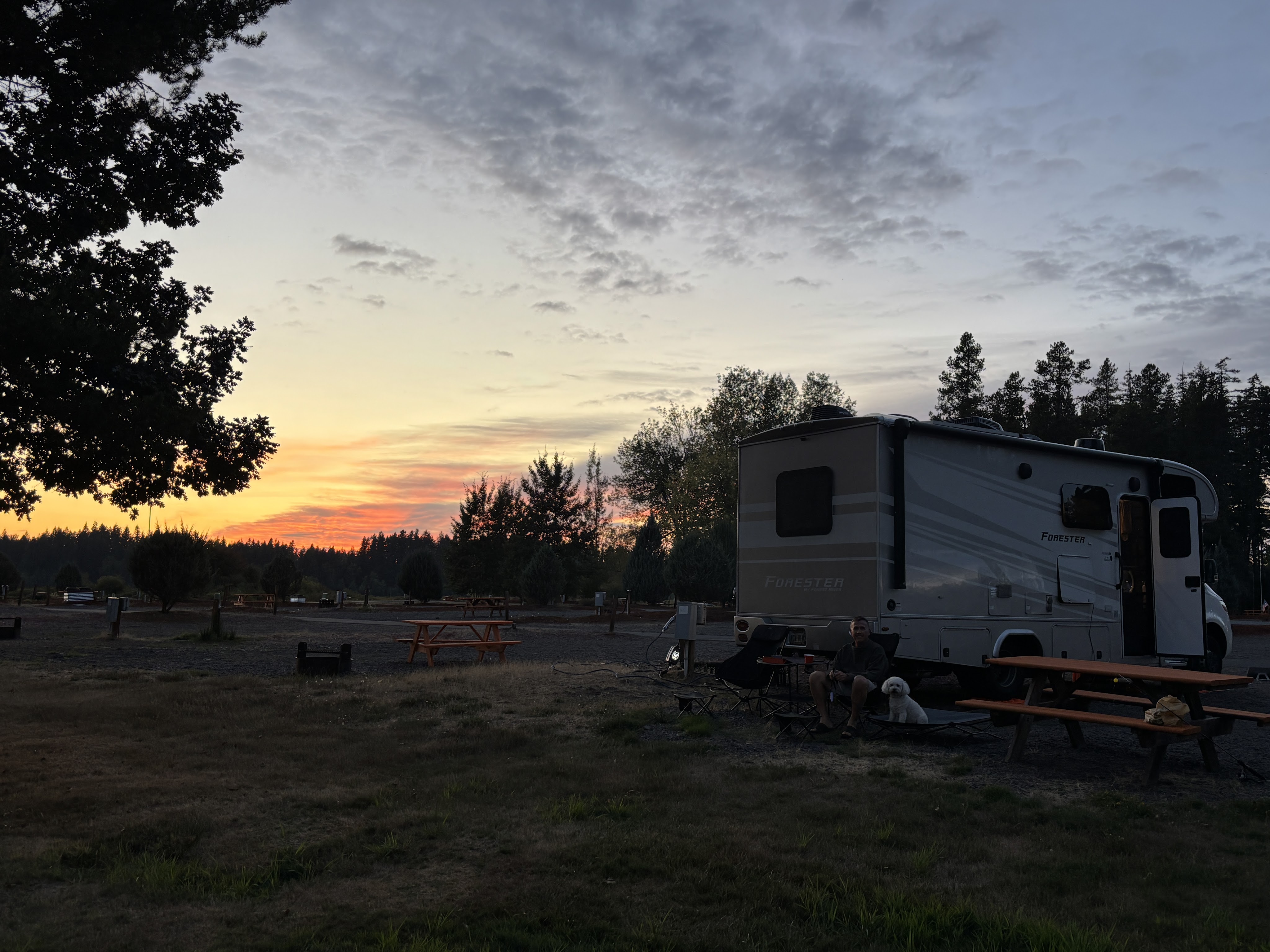
We checked in to our home for the next two nights and set camp. One of the great things about this site is that there is fishing all around, without having to leave. So I baited up my hook and hit the channel 50 feet behind Livvy. I had far more success here, even though I was still using Canadian worms.
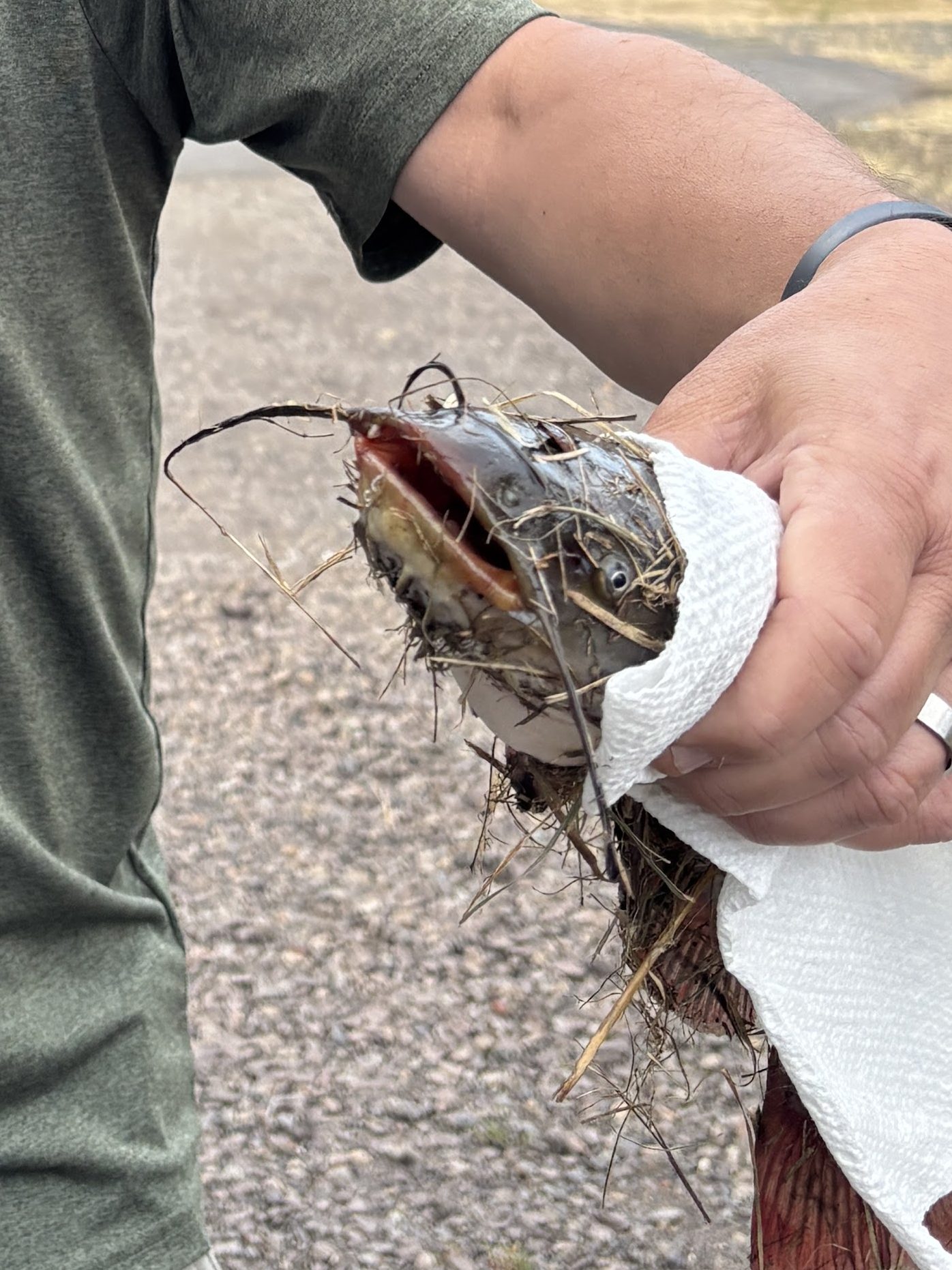
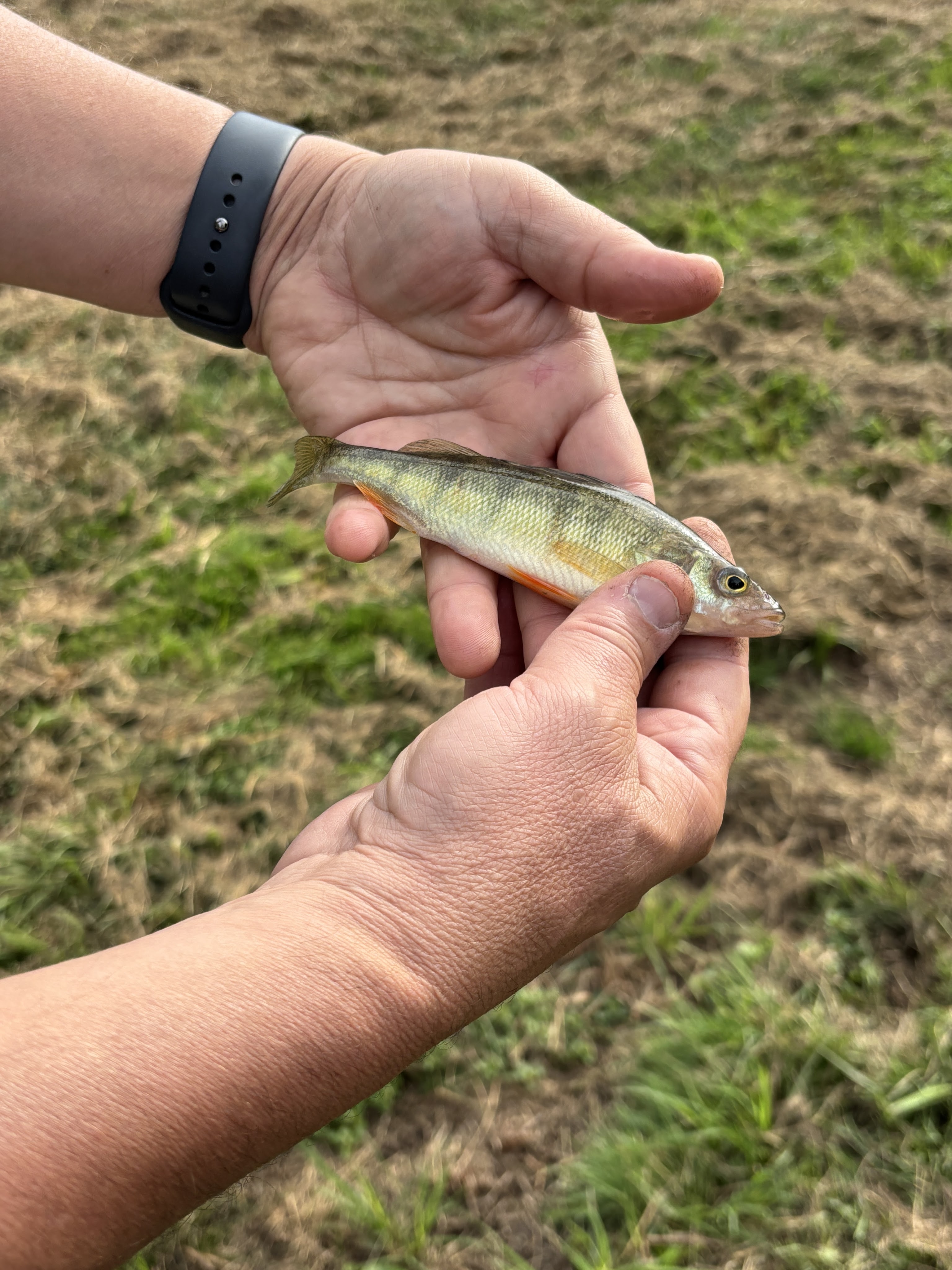
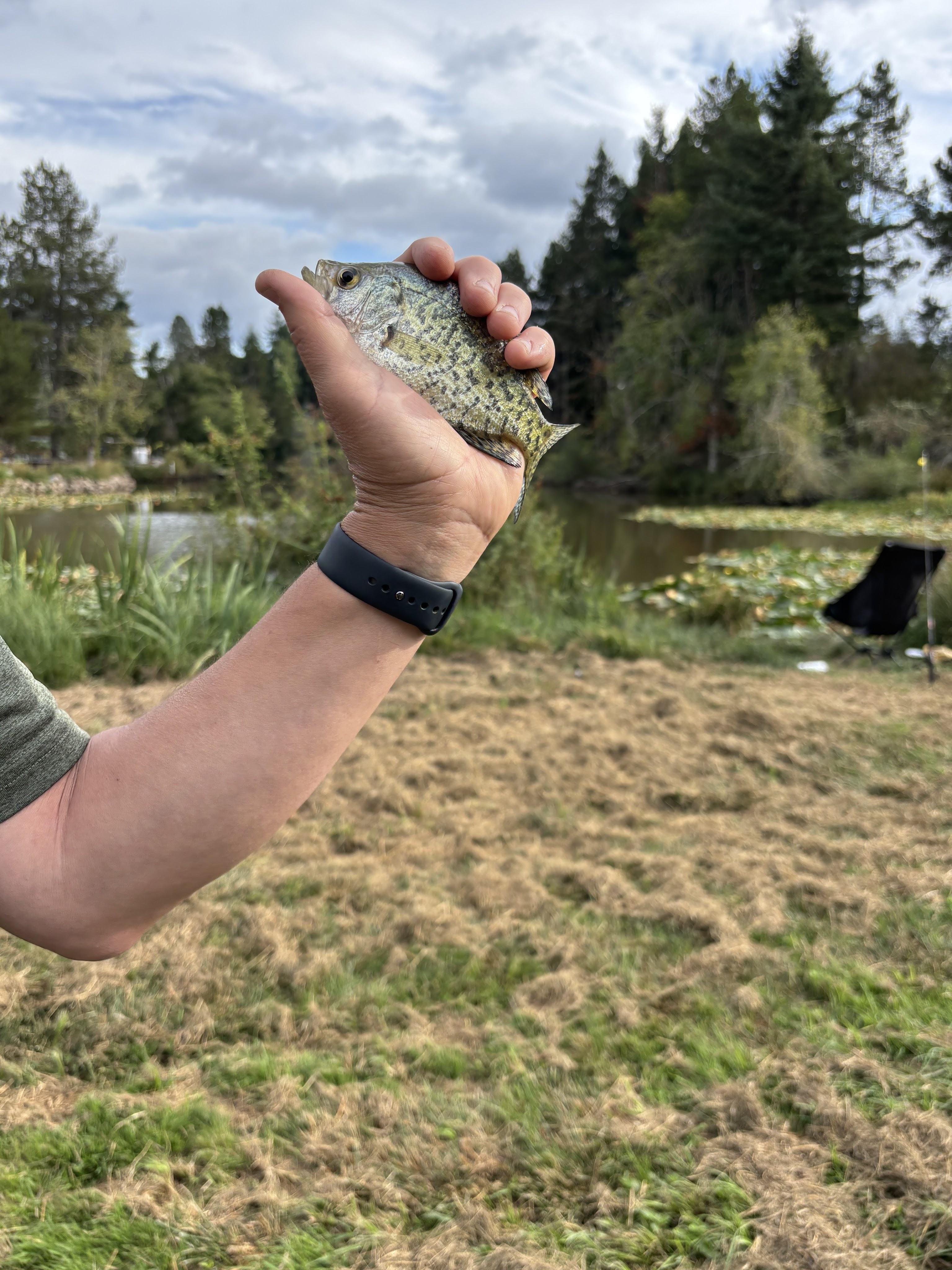
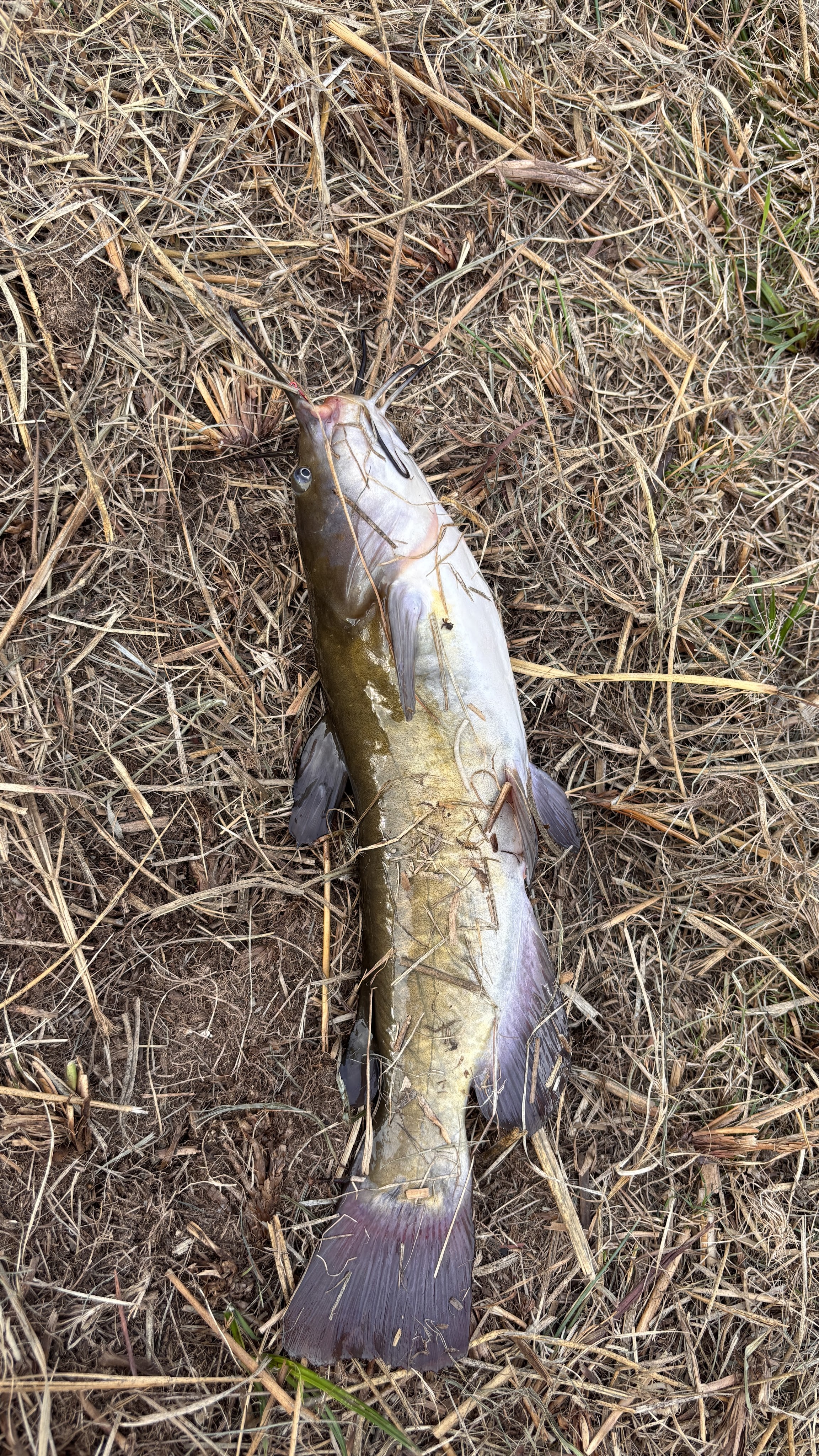
I caught 8 fish in total over a few hours. True, 7 of them were dinky little things (6 perch and a crappie, all under 7 inches). The last fish of the night was a 14″+ channel catfish that put up a nice fight. Ugly as sin, catfish are really fun to catch and are among my favorite to eat. Not the ones I catch, though, as I am not cleaning a fish here. It went back into the water to fight another day.
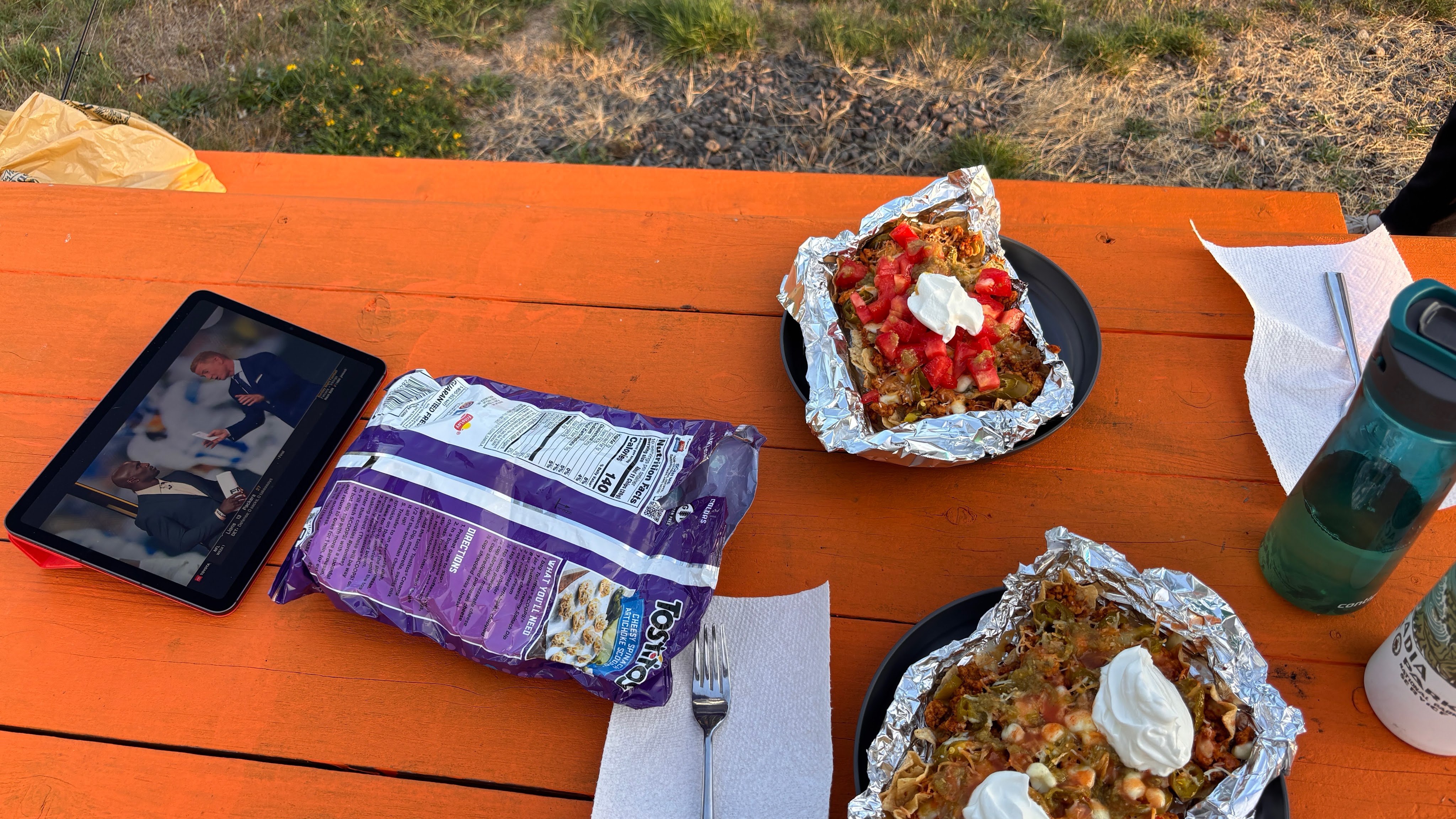
We had a truly delicious meal of nachos for dinner, and watched the first Sunday Night Football game of the season. If you didn’t see it, the Bills pulled off an incredible comeback win over our least favorite team – the Ravens. We watched as a nearly full moon rose unobstructed into the night sky before retiring inside. What a day it was!
Leave a Reply